Education, often considered the backbone of societal progress, plays a pivotal role in shaping individuals, communities, and nations. It extends beyond basic literacy and numeracy, encompassing critical thinking, creativity, emotional intelligence, and the capacity to adapt to a rapidly changing world. In today’s globalized society, education is not only a personal asset but a national priority, influencing economic growth, social equity, and technological innovation. Understanding the depth and breadth of education requires examining its history, evolving methodologies, modern challenges, and the opportunities it presents for the future.
The Historical Evolution of Education
Education has evolved significantly over centuries, reflecting societal needs, cultural values, and technological advancements.
Ancient Systems of Learning
In ancient civilizations, education was deeply intertwined with social structures and cultural traditions:
- Mesopotamia and Egypt: Education focused on literacy, mathematics, and governance for elites. Scribes and scholars were highly respected in society.
- Ancient Greece: Philosophical thinking and civic responsibility were central, with figures like Plato and Aristotle emphasizing logic, ethics, and rhetoric.
- Ancient India and China: Systems combined philosophy, spiritual knowledge, and practical skills. Gurukuls in India and Confucian schools in China cultivated holistic learning.
These early systems laid the foundation for modern education by valuing knowledge transmission, mentorship, and structured learning.
Medieval and Renaissance Education
During the medieval period, education became closely associated with religious institutions:
- Monastic Schools: Preserved classical knowledge and promoted literacy among monks and clergy.
- Universities in Europe: The emergence of institutions like the University of Bologna and Oxford introduced standardized curricula in law, medicine, and theology.
- Renaissance Humanism: Emphasized creativity, critical inquiry, and the integration of arts and sciences, influencing modern liberal education.
Industrial Age and Mass Education
The industrial revolution created a demand for a literate and skilled workforce:
- Public School Systems: Countries like the United States and the United Kingdom expanded compulsory education, emphasizing reading, writing, and arithmetic.
- Technical and Vocational Education: Schools and colleges trained students for industrial work, fostering economic growth.
- Educational Reforms: Progressive thinkers like John Dewey advocated experiential learning and the development of critical thinking over rote memorization.
The Core Functions of Education
Education serves multiple functions beyond personal knowledge acquisition.
Cognitive and Intellectual Development
A robust education system cultivates:
- Critical Thinking Skills: The ability to analyze, evaluate, and synthesize information.
- Problem-Solving Abilities: Students learn to apply theoretical knowledge to real-world challenges.
- Innovation and Creativity: Exposure to diverse ideas fosters imaginative thinking and inventive solutions.
Social and Emotional Learning
Education shapes interpersonal and intrapersonal skills:
- Communication Skills: Facilitates collaboration, negotiation, and effective expression.
- Empathy and Emotional Intelligence: Understanding others’ perspectives enhances social cohesion and reduces conflict.
- Ethical and Moral Development: Schools and higher education institutions instill values, civic responsibility, and social awareness.
Economic and Societal Impact
Education is a key driver of economic growth and social stability:
- Workforce Readiness: Prepares students for professional roles in diverse industries, including emerging tech, healthcare, and finance.
- Entrepreneurship and Innovation: Encourages students to start businesses and develop novel solutions, fueling economic activity.
- Social Mobility: Reduces inequality by providing opportunities for disadvantaged populations to improve their life circumstances.
Modern Educational Methodologies
Education today is no longer limited to textbooks and classrooms. Innovative approaches enhance learning outcomes and engagement.
Technology-Enhanced Learning
Digital technologies have transformed education:
- E-Learning Platforms: Coursera, Khan Academy, and edX provide flexible, self-paced learning for diverse subjects.
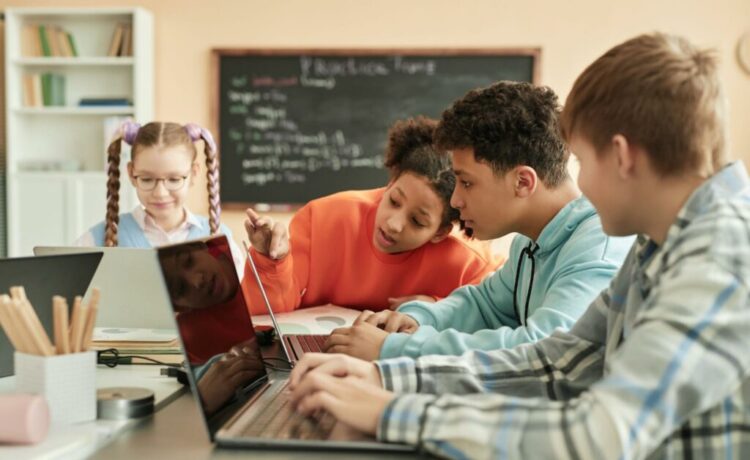
- Virtual Classrooms: Enable interactive remote learning with video, chat, and collaborative tools.
- Artificial Intelligence in Education: Adaptive learning platforms personalize content based on individual progress and learning styles.
Experiential and Project-Based Learning
Practical application of knowledge enhances retention and understanding:
- Internships and Apprenticeships: Students gain real-world experience in their chosen fields.
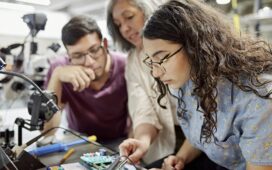
- STEM Labs and Maker Spaces: Encourage hands-on exploration of science, technology, engineering, and mathematics.
- Service-Learning: Integrates community service with educational objectives, fostering civic engagement.
Inclusive and Equitable Education
Modern education emphasizes diversity and accessibility:
- Special Education Programs: Support students with disabilities through personalized learning plans and assistive technologies.
- Gender Equity Initiatives: Promote equal opportunities for all genders, addressing historical imbalances.
- Multicultural Curricula: Encourage appreciation of different cultures, languages, and worldviews.
Challenges Facing Modern Education
Despite progress, education systems face complex challenges that require strategic solutions.
Access and Equity
Global disparities persist in access to quality education:
- Geographic Barriers: Rural and underserved areas often lack schools, resources, and qualified teachers.
- Economic Constraints: Poverty limits access to tuition, learning materials, and technology.
- Social and Cultural Barriers: Discrimination, cultural norms, and gender biases restrict opportunities for some populations.
Quality and Relevance
Ensuring education remains meaningful is critical:
- Curriculum Outdatedness: Rapid technological and economic changes make some traditional curricula obsolete.
- Teacher Training: Inadequate professional development can hinder effective pedagogy.
- Standardized Testing Pressure: Overemphasis on exams can undermine creativity and critical thinking.
Integration of Technology
While technology provides opportunities, it also introduces challenges:
- Digital Divide: Unequal access to devices and internet connectivity can exacerbate inequality.
- Cybersecurity Concerns: Student data and online learning platforms are vulnerable to breaches.
- Overreliance on Technology: Excessive screen time and passive digital consumption can affect learning quality.
Emerging Trends in Education
Education is constantly adapting to meet the needs of a rapidly evolving world.
Lifelong Learning
The concept of education extends beyond formal schooling:
- Continuous Skill Development: Adults engage in professional courses, certifications, and skill workshops to remain competitive.
- Microlearning: Short, focused learning modules enable flexible skill acquisition.
- Online Communities and Learning Networks: Facilitate peer-to-peer knowledge sharing and collaboration.
Globalization of Education
International collaboration and mobility are reshaping learning:
- Study Abroad Programs: Enhance cultural understanding and global perspectives.
- International Curriculum Standards: International Baccalaureate (IB) and Cambridge programs offer globally recognized frameworks.
- Cross-Border Research and Collaboration: Universities and institutions partner to address global challenges through joint projects.
Focus on Emotional and Social Intelligence
Modern curricula increasingly emphasize soft skills:
- Mindfulness and Well-Being Programs: Reduce stress and improve focus among students.
- Conflict Resolution and Negotiation Training: Prepares students for collaborative and professional environments.
- Leadership and Teamwork Development: Cultivates future leaders capable of navigating complex organizational structures.
The Role of Government and Policy in Education
Governments play a critical role in shaping educational outcomes:
- Funding and Resource Allocation: Ensures equitable access to schools, teachers, and materials.
- Policy Reforms: Adjust curriculum, standards, and assessment methods to reflect societal needs.
- Incentives for Innovation: Grants and scholarships encourage research, entrepreneurship, and technological integration in education.
FAQs About Education
How does education influence economic growth?
Education equips individuals with skills, critical thinking, and innovation capacity, which drives productivity, entrepreneurship, and employment, thereby fueling economic growth.
What are the benefits of experiential learning?
Experiential learning enhances retention, practical application, problem-solving abilities, and student engagement by connecting theory to real-world experiences.
How can technology improve educational access?
Technology allows remote learning, adaptive content, online resources, and virtual classrooms, overcoming geographic and economic barriers.
Why is lifelong learning important?
Rapid technological, social, and economic changes require individuals to continuously update skills to remain competitive and adaptable in the workforce.
How does inclusive education impact society?
Inclusive education fosters equity, reduces social disparities, promotes diversity, and empowers marginalized groups, contributing to social cohesion and progress.
What role do teachers play in modern education?
Teachers facilitate learning, mentor students, design curricula, integrate technology, and nurture critical thinking, creativity, and emotional development.
How can parents support educational outcomes?
Parents can encourage curiosity, provide resources and guidance, reinforce learning at home, and engage with educators to support holistic development.
Conclusion
Education is not merely a process of knowledge transfer; it is a transformative force that shapes individuals, communities, and nations. From ancient learning systems to modern digital classrooms, the scope of education has expanded to include intellectual, emotional, social, and technological dimensions. By addressing challenges related to access, quality, and equity, and embracing emerging trends such as lifelong learning, global collaboration, and technology integration, education can continue to empower individuals and drive societal progress. In the 21st century, education remains the cornerstone of human potential, economic development, and global harmony.