

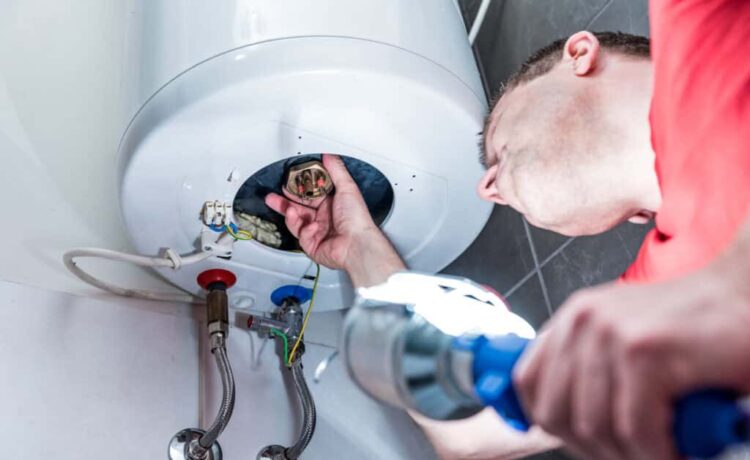
Many homeowners operate under the assumption that a water heater is a simple, set-it-and-forget-it appliance. There is a common belief that as long as the water is hot and there is no water pooling on the utility room floor, the system is performing exactly as it should. The reality is often more nuanced; a unit can show subtle signs of inefficiency or internal wear long before it reaches a point of total failure. Understanding the mechanics of these systems helps residents of this region distinguish between a minor maintenance need and a situation requiring urgent attention.
Assumptions About Aging Water Heaters That Often Lead to Oversights
People frequently assume that water heater issues are binary—the unit either works or it does not. This perspective often causes homeowners to ignore warning signs that suggest the system is struggling. For example, sounds coming from the tank are sometimes dismissed as normal operation, even though these noises can indicate mineral accumulation or sediment buildup. When sediment settles at the bottom of a tank, it creates a layer that acts as an insulator, forcing the heating elements or burner to work harder and run longer to reach the desired temperature. Over time, this constant extra effort can lead to accelerated wear on the internal components.
Another common misconception is that a lack of hot water is the only indicator of a problem. In practice, inconsistent temperatures or a gradual reduction in the duration of available hot water can be signs of a failing dip tube or a malfunctioning thermostat. If these conditions are left unaddressed, the efficiency of the unit continues to decline, which may result in higher energy consumption for the same amount of output.
Factors That Matter More Than Initial Symptoms
When evaluating a water heater repair service in Eugene, Oregon, it is helpful to look beyond the immediate symptom and consider the overall health of the system. The quality of local water, for instance, plays a significant role in how these appliances age. Depending on the mineral content in the local supply, scale buildup can happen at different rates. A service provider who understands these environmental factors can offer more informed guidance on maintenance.
The age of the unit is another critical consideration that often carries more weight than a single repair attempt might suggest. If a water heater is nearing the later stages of its expected lifespan, the cost of frequent repairs may quickly outpace the value of the unit itself. A thorough assessment from a professional can determine whether a specific part replacement is a practical solution or if the system has reached a stage where long-term reliability is unlikely. Rather than focusing solely on the immediate fix, a thoughtful approach involves weighing the frequency of past repairs against the performance history of the unit.
Assessing the Difference Between Maintenance and Repair Needs
Distinguishing between routine care and necessary intervention is a question many homeowners face. Regular flushing of the tank is a common maintenance task that can help manage sediment, yet it is not a cure-all for mechanical issues. How can a homeowner tell if they need professional help?
If a tank shows signs of external corrosion, rust-colored water, or moisture accumulating around the base, these are rarely issues that can be solved with a simple adjustment. These conditions may indicate that the internal structure is beginning to break down. When seeking a water heater repair service in Eugene, Oregon, ask the provider to explain the specific mechanism causing the issue. A qualified technician should be able to clarify why a specific part is failing and what the expected outcome of a repair will be. If a service provider offers an estimate without first inspecting the internal components or checking the system’s pressure, it may be worth seeking a more detailed evaluation.
Reframing the Approach to System Longevity
Instead of viewing water heater care as an emergency response, it is more beneficial to consider it as a system management strategy. This shift in mindset changes how one interacts with service providers. Rather than waiting for a complete outage, homeowners can benefit from periodic check-ups that include monitoring the pressure relief valve, inspecting connections, and evaluating the overall efficiency of the heating cycle.
For those in need of a water heater repair service in Eugene, Oregon, the goal should be to partner with someone who values transparency. A reliable professional will provide clear information about the condition of the system, the trade-offs of repair versus replacement, and what can be done to prevent future issues. This approach moves the focus away from reactive fixes and toward ensuring the home’s water system operates reliably over the long term.
Understanding that a water heater is a complex component of the home’s infrastructure—rather than just a background appliance—allows for better decision-making. By asking the right questions and staying attentive to the subtle changes in system behavior, residents can address concerns before they escalate into major disruptions. The most effective way to manage these systems is through consistent evaluation, informed choices, and the support of a knowledgeable professional who can offer a clear, logical path forward.


