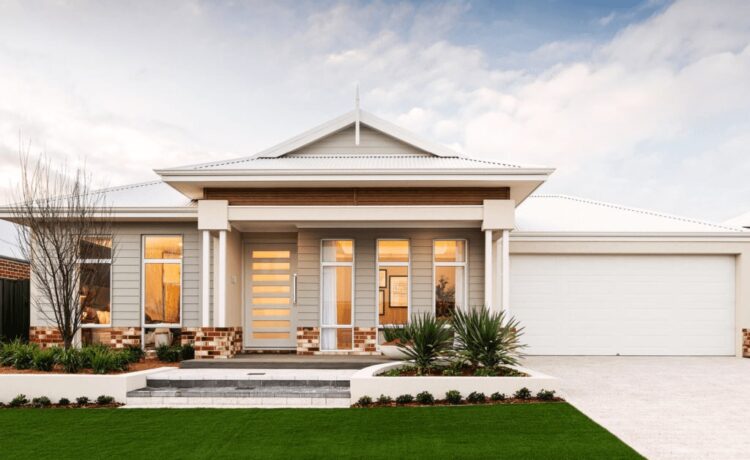
The concept of home transcends the physical structure of a building. It embodies a space of comfort, security, identity, and personal expression. In contemporary society, the definition of home has expanded, encompassing not only traditional residential spaces but also smart homes, sustainable living environments, and multifunctional areas that adapt to work, leisure, and family life. Examining the elements that contribute to a meaningful home involves exploring architecture, design, technology, cultural significance, and psychological impact.
The Evolution of Home: From Shelter to Sanctuary
Human dwellings have undergone remarkable transformation over centuries, reflecting social, technological, and cultural shifts.
Historical Perspective
- Ancient Dwellings: Early humans lived in caves, huts, and communal shelters, focusing primarily on safety, warmth, and resource proximity.
- Medieval and Renaissance Homes: Homes became symbols of wealth and social status, incorporating ornate architecture and design elements.
- Industrial Revolution: The emergence of urban centers led to denser living arrangements, apartment complexes, and standardized housing solutions.
Throughout history, homes have been both functional spaces and cultural statements, mirroring human priorities and technological capabilities.
Contemporary Concepts of Home
- Multifunctional Spaces: Modern homes combine living, working, and recreational areas, emphasizing flexibility and efficiency.
- Smart Homes: Technology integration enables automation, remote control, and energy efficiency, redefining convenience.
- Sustainable Design: Green architecture, energy-efficient systems, and environmentally responsible materials are increasingly central to home construction.
Today, homes are carefully curated environments that balance functionality, comfort, and personal expression.
Architecture and Design: Shaping the Home Experience
Architecture and interior design are fundamental in defining how a home feels and functions.
Architectural Styles and Their Impact
- Modern Minimalism: Focuses on simplicity, clean lines, and open spaces, promoting calmness and clarity.
- Traditional and Classic: Emphasizes heritage, symmetry, and decorative details, creating a sense of timelessness.
- Contemporary Eclecticism: Combines elements from multiple styles, reflecting individuality and creative expression.
The architectural style of a home influences mood, utility, and social perception, shaping the experience of both residents and visitors.
Interior Design Principles
- Space Optimization: Efficient use of square footage enhances comfort and utility, especially in urban settings.
- Lighting and Ambiance: Natural light, task lighting, and accent lighting contribute to psychological well-being and aesthetic appeal.
- Color Psychology: Colors affect mood, with warm tones promoting relaxation and bright hues enhancing energy and creativity.
- Furniture and Layout: Strategic arrangement supports social interaction, privacy, and workflow efficiency.
Thoughtful design transforms a house from a mere structure into a nurturing and functional home environment.
Outdoor and Garden Integration
- Green Spaces: Lawns, gardens, and terraces improve air quality, mental health, and aesthetic value.
- Outdoor Living Areas: Patios, decks, and pools extend functional space and enhance family interaction.
- Sustainable Landscaping: Native plants, xeriscaping, and rainwater management support environmental sustainability.
Outdoor design is an integral part of creating a harmonious and restorative home experience.
Technology in the Modern Home
Technological innovation has dramatically redefined the way we live, interact, and manage our homes.
Smart Home Systems
- Automation: Lighting, temperature, security, and entertainment systems can be controlled remotely.
- Voice Control: AI-powered assistants allow hands-free management of home appliances and utilities.
- Predictive Maintenance: Smart sensors monitor structural integrity, energy usage, and potential malfunctions.
Smart homes enhance convenience, safety, and energy efficiency, creating adaptive environments for residents.
Security and Safety Technologies
- Surveillance Systems: Cameras and motion sensors protect against unauthorized access.
- Smart Locks and Alarms: Real-time notifications increase security and provide peace of mind.
- Emergency Systems: Smoke, fire, and carbon monoxide detectors integrated with smart systems ensure rapid response.
Integrating technology enhances both practical safety and psychological reassurance.
Energy Management and Sustainability
- Solar Panels and Renewable Energy: Reduce carbon footprint and lower utility costs.
- Energy-Efficient Appliances: Minimize consumption while maintaining performance.
- Water Conservation Systems: Smart irrigation, greywater reuse, and efficient plumbing reduce environmental impact.
Energy-conscious homes reflect modern priorities of sustainability, economic prudence, and environmental responsibility.
Psychological and Emotional Aspects of Home
A home is more than walls and furniture; it profoundly impacts mental health, well-being, and identity.
Comfort and Security
- Personal Space: Homes offer privacy and refuge from external stressors.
- Control over Environment: Ability to adjust lighting, temperature, and layout promotes comfort.
- Safe Haven: Consistent routines and familiar surroundings foster psychological stability.
The sense of safety and belonging provided by a home supports emotional resilience.
Identity and Personal Expression
- Decor and Aesthetics: Choices in furniture, color schemes, and art reflect personal taste and cultural identity.
- Functional Zoning: Designating areas for work, leisure, and family activities conveys values and priorities.
- Memories and Sentimentality: Family photos, heirlooms, and personal artifacts strengthen emotional attachment.
A home serves as a canvas for expressing individuality and preserving personal history.
Family Dynamics and Social Interaction
- Shared Spaces: Living rooms, kitchens, and gardens encourage communal activity.
- Private Retreats: Bedrooms and study areas provide solitude and personal focus.
- Multi-Generational Design: Homes adapted for varying age groups promote cohesion and caregiving.
Spatial design influences interaction patterns, emotional connection, and overall family dynamics.
Economic and Real Estate Considerations
The financial aspect of owning or renting a home is a key component of modern living.
Property Investment and Value
- Real Estate Appreciation: Location, amenities, and market trends influence long-term value.
- Home Improvements: Renovations, upgrades, and sustainable features increase marketability.
- Economic Stability: Ownership offers financial security and potential passive income opportunities.
Understanding economic factors ensures that a home functions as both a residence and an asset.
Affordability and Accessibility
- Urban vs. Rural Housing: Location impacts affordability, space, and community resources.
- Government Programs and Incentives: Grants, subsidies, and tax benefits support home ownership.
- Alternative Housing Models: Co-living, tiny homes, and modular structures address affordability challenges.
Balancing financial considerations with lifestyle needs is crucial for sustainable living.
Cultural Significance of Home
Homes reflect cultural values, societal norms, and historical context.
- Tradition and Ritual: Homes often host cultural practices, festivals, and family rituals.
- Community Engagement: Architectural design and neighborhood planning influence social cohesion.
- Global Variations: Cultural context shapes home layouts, design priorities, and living patterns.
Understanding the cultural dimension emphasizes that homes are both personal and social constructs.
The Future of Home
Homes are evolving to meet the demands of modern life, technology, and sustainability.
- Integration of AI and Robotics: Automated cleaning, cooking, and maintenance systems will further enhance convenience.
- Modular and Adaptive Spaces: Flexible layouts allow for rapid adaptation to changing family or work needs.
- Sustainable Urban Living: Green roofs, energy-positive buildings, and urban agriculture redefine residential environments.
- Wellness-Oriented Design: Biophilic design, air quality monitoring, and mental health-conscious layouts support holistic well-being.
The future home combines innovation, adaptability, and mindfulness, creating environments that nurture both people and the planet.
FAQs About Home
What makes a home more than just a building?
A home encompasses comfort, safety, personal expression, emotional connection, and functionality, creating a sanctuary beyond physical walls.
How do smart homes improve daily living?
Automation, remote control, and energy-efficient systems enhance convenience, security, and environmental sustainability.
What role does design play in family dynamics?
Spatial layout influences privacy, communal interaction, and workflow efficiency, shaping relationships and emotional well-being.
How can a home contribute to mental health?
Homes provide safe, controlled, and familiar environments, promoting relaxation, stress relief, and emotional stability.
What are key considerations for sustainable living at home?
Energy-efficient appliances, renewable energy sources, water conservation, and eco-friendly materials reduce environmental impact.
How does culture influence home design?
Cultural traditions dictate layout preferences, use of communal vs. private spaces, decorative choices, and functional priorities.
What are emerging trends in modern homes?
Integration of AI, flexible spaces, wellness-focused design, and sustainable materials are shaping the next generation of homes.
How can homeowners increase property value?
Renovations, energy efficiency upgrades, smart technology, and thoughtful landscaping contribute to higher market value.