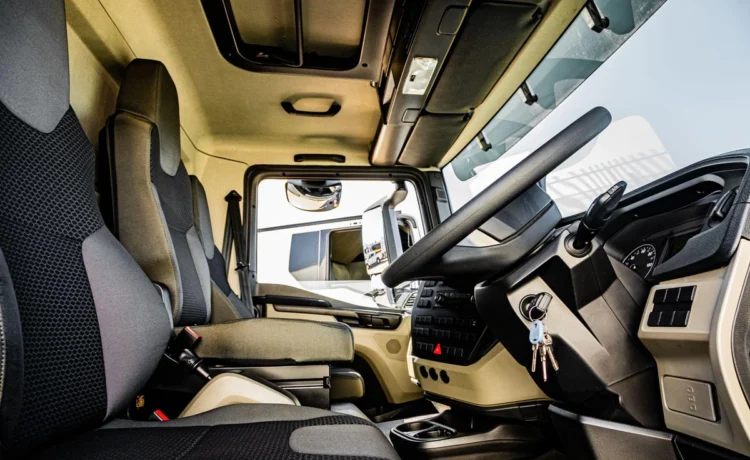
For the long-haul truck driver, the cab of their semi truck is much more than a workplace; it is their mobile office, dining room, and, most importantly, their home away from home. Among all the components that define a truck’s interior comfort and safety, the driver’s seat is arguably the most critical. Unlike a passenger vehicle, where a seat is simply a place to rest, a semi truck seat must mitigate the constant vibration, jarring impacts, and prolonged, static postures endured over ten to fourteen hours a day. Choosing the right custom semi truck seats is not a luxury; it is a fundamental investment in the driver’s health, longevity, and ultimately, operational safety and efficiency.
A premium, custom-selected seat is designed to reduce driver fatigue, minimize the risk of chronic back pain, and improve alertness. The process of selection requires moving past basic comfort and delving into the technical specifications that govern suspension, adjustability, and ergonomic support. This comprehensive buyer’s guide provides the essential checklist for truck owners and operators looking to transform their cab into a command center of comfort and control.
Understanding the Core Mechanism: Suspension Systems
The most significant difference between a semi truck seat and a standard seat is its sophisticated suspension system, which is engineered to isolate the driver from road harshness. There are two primary types of suspension to consider, and the choice is dictated by the truck’s operational environment and the driver’s weight.
- Air Suspension: This is the industry standard and the preferred choice for long-haul and regional trucking. Air suspension uses an integrated air compressor and bellows to cushion the driver. It provides superior isolation from road vibrations and can be precisely adjusted to the driver’s weight and road conditions, often with push-button controls. Key features to look for in an air suspension system include:
- Air-Ride Stroke: The vertical travel distance the suspension can manage. A longer stroke (typically 6 inches or more) provides better isolation on rough roads.
- Rapid Deflation/Inflation: The speed at which the seat can be raised or lowered, vital for comfortable entry and exit.
- Mechanical Suspension: Less common in modern long-haul trucks, mechanical suspension uses springs and shock absorbers. It is generally found in heavy vocational trucks or older models. While durable, it offers less refined isolation than a quality air system.
Comfort Features: The Long-Haul Essentials
While comfort features are often considered secondary, they are crucial for driver retention and well-being over extended periods. These features address thermal comfort and muscle strain.
- Heating and Ventilation: Heating elements are vital for cold climates and can also provide therapeutic warmth to a strained lower back. Conversely, active cooling or ventilation systems (which draw air away from the body) are game-changers in hot climates, preventing moisture buildup and keeping the driver dry and alert. This feature is often cited by drivers as a major factor in reducing fatigue.
- Cushion Material: High-density, high-resilience foam is the standard for long-term comfort. It should be firm enough to provide support but soft enough to conform slightly to the body. Avoid seats that are overly soft, as they can cause pressure points over time. The upholstery should be a breathable, durable material like premium cloth or high-grade leatherette that withstands heavy use and resists temperature extremes.
- Headrest: The headrest should be adjustable for height and angle to provide proper support for the neck and reduce whiplash risk.
Conclusion: The Investment in Longevity
Choosing the right custom seat for a semi truck is a critical operational decision that directly impacts the safety and efficiency of the entire enterprise. It requires careful consideration of the technical aspects of air suspension, the detailed ergonomic adjustability of the lumbar and cushion areas, and the necessary comfort features like heating and cooling. By prioritizing a durable frame, a long-stroke air system, and personalized adjustability, owners and drivers transform the cab into a superior ergonomic environment. The cost of a premium seat is ultimately a small investment when measured against the cost of a single day of lost work due to driver injury, or the invaluable cost of long-term driver health and comfort.