

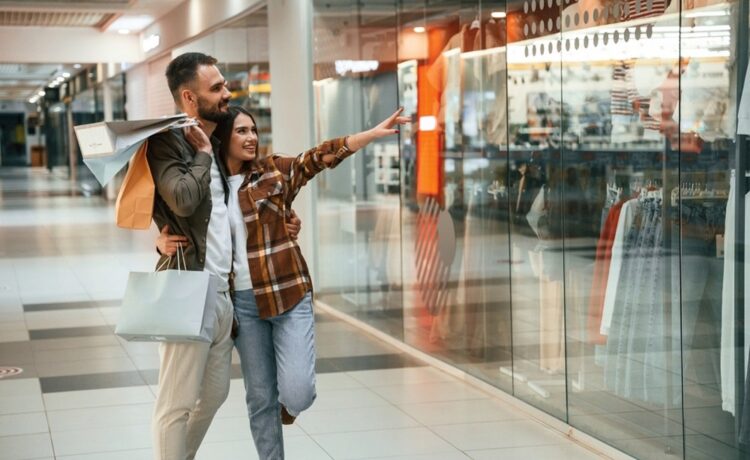
For much of the late twentieth century, the suburban shopping mall was the undisputed center of American retail and social life. Anchored by massive department stores and surrounded by endless asphalt parking lots, these enclosed shopping centers served as retail powerhouses and cultural gathering hubs. However, the rapid ascent of e-commerce, shifting consumer values, evolving demographics, and changing lifestyle habits disrupted this traditional model.
Rather than accepting obsolescence, modern shopping centers are undergoing a profound structural evolution. Retail developers and property managers have realized that relying solely on apparel racks and standard retail storefronts is no longer viable. Today, shopping malls are reinventing themselves as vibrant, multi-purpose lifestyle destinations where commerce, dining, entertainment, wellness, and community engagement coexist. Examining the innovative strategies driving this transformation reveals how the retail landscape is adapting to meet modern consumer demands.
From Transactional Shopping to Immersive Experiences
The fundamental purpose of physical real estate has shifted. In an era where almost any consumer product can be ordered online and delivered within hours, consumers no longer visit physical stores simply to make a purchase. Instead, they seek engaging experiences that cannot be replicated on a digital screen.
-
Entertainment Anchors Over Department Stores: As legacy department stores downsize or exit properties, their cavernous multi-level footprints are being occupied by immersive entertainment concepts. Modern malls now feature indoor theme parks, interactive mini-golf arenas, high-tech bowling lounges, virtual reality centers, and esports arenas.
-
Curated Cultural Events and Art Installations: Malls are investing in ongoing event programming to drive foot traffic. Rotating art exhibits, live music performances, seasonal festivals, pop-up artisan markets, and interactive workshops turn standard retail complexes into dynamic cultural centers.
-
Socially Shareable Architecture: Property owners are revamping interior designs with open skylights, lush indoor greenery, artistic murals, and architectural centerpieces that encourage visitors to capture and share photos on social platforms, creating organic digital promotion.
The Transformation of Food and Beverage Offerings
The days of the utilitarian shopping mall food court dominated by processed fast-food chains are fading. Today food and beverage concepts serve as primary destination anchors rather than secondary conveniences.
The Rise of Curated Food Halls
Modern property managers are replacing standardized food courts with upscale food halls that celebrate culinary craft and regional flavors.
-
Local and Independent Operators: Food halls showcase independent culinary artisans, local bakeries, craft coffee roasters, and regional micro-concepts, offering an authentic taste of the surrounding community.
-
Global and Diverse Cuisines: Menus feature diverse culinary traditions, from authentic street food stalls to specialty regional delicacies, appealing to adventurous palates.
-
Communal and Engaging Dining Layouts: Open-plan seating with handcrafted wooden tables, ambient lighting, and integrated bar concepts create lively social spaces where patrons linger and socialize.
Upscale Experiential Dining
Alongside food halls, full-service experiential restaurants, rooftop dining terraces, and celebrity chef concepts provide destination-worthy dining. Many of these establishments feature outdoor patios with views of central plazas, keeping malls active and energized late into the evening.
Blending Digital and Physical Retail Models
Far from viewing e-commerce as an adversary, modern shopping malls are embracing omnichannel retail integration. Successful physical retailers use digital tools to remove shopping friction and personalize customer visits.
-
Click-and-Collect Infrastructure: Dedicated curbside pickup zones, temperature-controlled lockers, and drive-through fulfillment bays allow shoppers to collect digital purchases quickly without wandering through the entire complex.
-
Interactive Showrooms and Digitally Native Brands: Direct-to-consumer digital brands are opening physical mall showrooms. These locations carry limited inventory, functioning primarily as sensory discovery hubs where customers can touch materials, try on samples, and place digital orders for home delivery.
-
Indoor Navigation and Mobile Apps: Advanced mall mobile applications provide indoor turn-by-turn navigation, interactive directories, digital loyalty rewards, and real-time alerts regarding parking availability and localized promotional offers.
Transitioning to Mixed-Use Lifestyle Centers
One of the most radical architectural changes in retail real estate is the conversion of traditional enclosed malls into open-air, mixed-use communities. By integrating non-retail functions into the property, developers create a built-in customer base that frequents the center every day.
-
Residential Apartments and Condominiums: Building residential high-rises or townhomes directly adjacent to retail spaces provides continuous daily foot traffic for supermarkets, coffee shops, and dry cleaners.
-
Modern Office and Co-Working Spaces: Incorporating flexible co-working hubs and corporate office suites brings hundreds of daily working professionals who spend money at lunchtime restaurants and after-work fitness facilities.
-
Hotel and Hospitality Additions: Integrated boutique hotels cater to corporate travelers, wedding parties, and tourists, making the surrounding retail complex a full-service hospitality destination.
Evolution of Shopping Mall Formats
| Property Feature | Traditional Suburban Mall | Modern Adaptive Lifestyle Center |
| Primary Anchor Tenant | Traditional department stores and apparel chains | Experiential entertainment venues, wellness centers, and residential towers |
| Dining Experience | Standardized fast-food food court | Artisanal food halls, craft beverage taprooms, and upscale restaurants |
| Architectural Design | Fully enclosed, inward-facing concrete structures | Open-air pedestrian plazas, green spaces, and natural light |
| Digital Integration | Passive physical directories and print coupons | Mobile app navigation, digital lockers, and omnichannel fulfillment |
| Primary Purpose | Purely transactional merchandise purchasing | Community gathering, wellness, work, entertainment, and living |
Integrating Health, Wellness, and Everyday Services
Modern consumers prioritize physical health, mental well-being, and personal care. Shopping malls are responding by dedicating significant square footage to wellness and health-oriented services.
Fitness and Athletic Facilities
Traditional anchor spaces are frequently repurposed into high-end athletic clubs, boutique yoga studios, pilates spaces, and specialized indoor climbing gyms. These facilities generate steady, recurring weekly visits from members who naturally visit nearby juice bars, athletic apparel retailers, and grocery stores.
Healthcare Clinics and Personal Care Services
Healthcare systems are migrating routine clinical care into convenient retail environments:
-
Urgent Care and Primary Care Clinics: Hospital networks and medical groups lease mall real estate to offer convenient walk-in healthcare, diagnostic imaging, and routine laboratory testing.
-
Dental, Optical, and Physical Therapy Suites: Everyday medical services benefit from abundant parking, public transit access, and central geographic locations.
-
Beauty and Personal Wellness: Spas, medical aesthetics clinics, nail salons, and barber shops provide high-touch personal services that cannot be automated or delivered online.
Sustainability and Eco-Conscious Building Design
Today’s consumers, particularly younger generations, hold brands and physical spaces to high environmental and ethical standards. Outdated malls with inefficient infrastructure are undergoing comprehensive green modernizations.
-
Rooftop Solar Installations: Expansive rooftop spaces are increasingly lined with solar photovoltaic arrays, generating renewable power to run lighting, escalators, and cooling systems.
-
Electric Vehicle Charging Infrastructure: Installing banks of high-speed Level 2 and Level 3 electric vehicle charging stations attracts eco-conscious drivers who spend thirty to sixty minutes patronizing mall businesses while their vehicles recharge.
-
Adaptive Reuse of Materials: Rather than completely demolishing older concrete structures, sustainable development focuses on adaptive reuse, preserving the foundational framing to reduce landfill waste and carbon emissions.
-
Native Landscaping and Water Reclamation: Open-air lifestyle centers incorporate drought-tolerant native plants, rain gardens, and greywater recycling systems to manage stormwater runoff responsibly.
Frequently Asked Questions
How do modern malls determine the right balance between retail stores and entertainment tenants?
Mall management teams evaluate comprehensive demographic data, foot-traffic dwell times, and tenant productivity metrics to optimize the tenant mix. Typically, modern lifestyle developments allocate forty to sixty percent of their gross leasable area to traditional retail, while reserving the remaining space for food and beverage, wellness, entertainment, and everyday services to ensure consistent visitation throughout the week.
What is adaptive reuse in commercial retail real estate?
Adaptive reuse refers to the architectural process of repurposing older, obsolete building structures for new, modern functions rather than demolishing them. In retail real estate, this frequently involves converting empty department store shells or abandoned enclosed corridors into medical clinics, university satellite campuses, modern office hubs, self-storage facilities, or residential housing units.
How do open-air lifestyle centers manage foot traffic during severe winter weather?
Open-air lifestyle centers utilize specialized architectural engineering to maintain visitor comfort during adverse weather. Developers incorporate heated outdoor walkways, covered pedestrian arcades, wind-deflection glass walls, strategically placed radiant overhead heaters, enclosed breezeways, and cozy fire pit lounges to keep common areas welcoming during colder months.
Why are municipal governments supporting the redevelopment of traditional shopping malls?
Local governments support mall redevelopment because obsolete, underperforming commercial properties lead to depressed property tax revenues, vacant blighted land, and lost employment. Transforming struggling malls into mixed-use centers generates new housing supply, creates local jobs, revitalizes municipal tax bases, and creates public civic gathering spaces without requiring the development of pristine greenfield land.
What are micro-fulfillment hubs inside modern shopping centers?
Micro-fulfillment hubs are compact, automated logistics and storage spaces located within the interior back-of-house corridors or lower parking levels of shopping malls. Retailers use these hubs to store high-demand inventory close to suburban residential populations, enabling rapid same-day home delivery and convenient in-store pickup while minimizing shipping costs.
How do short-term pop-up shops benefit long-term shopping mall viability?
Pop-up retail spaces allow emerging independent designers, local artisans, and direct-to-consumer brands to test physical retail markets with flexible, low-risk leases. For the mall, pop-ups provide a constantly rotating selection of fresh, unique merchandise that encourages shoppers to visit frequently, while serving as a testing ground for potential long-term permanent lease agreements.

