For decades, the global apparel market operated under the relentless acceleration of fast fashion. Retail cycles shifted from traditional seasonal collections to micro-seasons that delivered new trends to storefronts and digital feeds every single week. Low-cost synthetic garments, aggressive trend forecasting, and instant social media virality turned personal wardrobes into disposable commodities.
In response to this cycle of overconsumption and environmental degradation, a powerful cultural countermovement has emerged. Minimalist fashion is redefining how people interact with their clothing. Far from a passing aesthetic trend, minimalist fashion represents a comprehensive philosophy rooted in intentionality, structural versatility, ethical stewardship, and enduring style. By stripping away excess, prioritizing quality over quantity, and rejecting disposable consumerism, minimalist fashion offers a sustainable, practical, and visually refined alternative for the modern wardrobe.
Deconstructing the Philosophy of Minimalist Fashion
At its core, minimalist fashion is governed by the principle that less is more. It rejects the pressure to constantly purchase new items to signal social status or conform to short-lived internet micro-trends. Instead, it elevates thoughtful curation, timeless silhouettes, and craftsmanship.
-
Intentional Curation: A minimalist wardrobe is not defined by an arbitrary number of items, such as having only ten shirts or three pairs of shoes. Rather, it is defined by the utility and value of every individual garment. Every piece serves a distinct functional purpose, fits exceptionally well, and harmonizes with the rest of the collection.
-
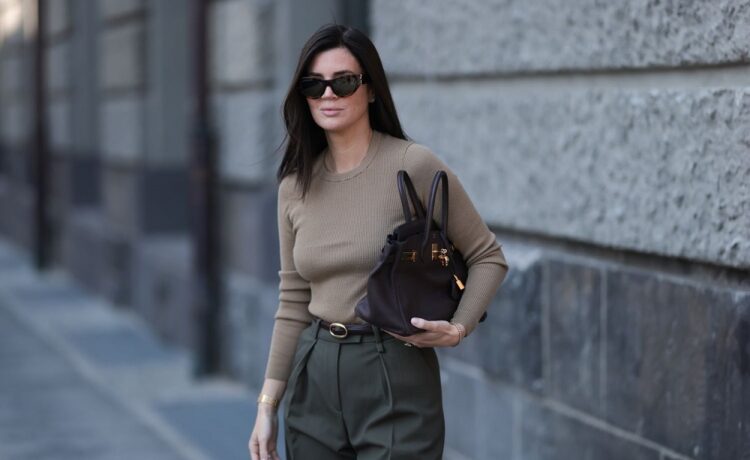
Neutral and Cohesive Color Palettes: Minimalist style relies heavily on foundational, neutral tones such as black, white, ivory, charcoal, navy, camel, and olive. These shades mix and match effortlessly, eliminating color clashing and expanding the number of potential outfit combinations from a compact set of garments.
-
Structural Silhouettes and Tailoring: When loud graphic prints, heavy embellishments, and distracting logos are removed, the structural integrity of the garment takes center stage. Clean lines, intentional draping, precise seamwork, and tailored proportions create an understated elegance that outlasts seasonal trends.
-
Material Integrity: Minimalist fashion emphasizes natural, breathable, and durable textiles. Garments made from long-staple organic cotton, pure linen, merino wool, silk, and raw denim are prized for their tactile comfort, durability, and graceful aging.
The Environmental and Ethical Imperative
The rise of minimalist fashion is directly linked to growing consumer awareness of the environmental catastrophe caused by linear fast fashion business models. The traditional fashion industry remains one of the largest consumers of water, a major contributor to global carbon emissions, and a primary source of microplastic pollution in marine environments.
Mitigating Landfill Waste and Resource Depletion
Fast fashion encourages a throwaway culture where the average garment is worn fewer than ten times before being discarded. Millions of tons of synthetic textiles, primarily polyester and nylon that take centuries to decompose, end up in global landfills or open-air dump sites every year.
-
Extended Garment Lifespans: Minimalist fashion directly combats this waste stream by focusing on longevity. Investing in well-made garments designed to last for years, rather than weeks, dramatically lowers personal textile consumption and municipal waste.
-
Reducing Water and Chemical Footprints: Producing a single conventional cotton t-shirt requires thousands of gallons of water alongside heavy pesticide applications. By buying fewer items and choosing certified organic or recycled fibers, consumers actively lower industrial water depletion and toxic dye runoff into freshwater systems.
-
Curbing Microplastic Pollution: Low-grade polyester and acrylic garments shed microscopic synthetic fibers during every wash cycle, which pass through water treatment facilities and settle in oceans and food chains. Minimalist collections favor natural biodegradable fibers that do not shed persistent plastic polymers.
Championing Fair Labor and Supply Chain Transparency
Low prices in fast fashion are made possible by outsourcing production to regions with weak labor protections, substandard safety regulations, and exploitative wage structures. Minimalist brands typically embrace slow fashion frameworks, emphasizing transparent supply chains, living wages for garment workers, safe working conditions, and ethical production practices. When consumers purchase fewer, higher-quality items, they support fair labor practices over rapid, exploitative assembly lines.
Psychological Benefits: Eliminating Decision Fatigue and Financial Waste
Beyond its environmental and aesthetic advantages, minimalist fashion delivers profound psychological benefits for daily life. The modern world is filled with continuous sensory and cognitive inputs, and our clothing choices often add unnecessary mental strain.
Overcoming the Paradox of Choice and Decision Fatigue
Psychological research demonstrates that when individuals are presented with an overwhelming abundance of options, they experience elevated anxiety, decision fatigue, and post-choice regret.
-
The Stuffed Closet Dilemma: A closet packed with dozens of mismatched, ill-fitting, or trend-specific garments paradoxically makes getting dressed harder. People spend significant time and cognitive energy every morning sifting through clothes, often feeling that they have nothing to wear.
-
Streamlined Morning Routines: A curated minimalist wardrobe eliminates friction. Because every piece coordinates with almost everything else, selecting an outfit becomes an effortless, two-minute routine, preserving mental clarity and focus for high-priority daily tasks.
Long-Term Financial Efficiency
While minimalist, ethically made garments often carry higher initial retail prices than fast-fashion alternatives, they represent a far more economical choice when evaluated through the lens of cost per wear.
| Purchasing Philosophy | Initial Retail Cost | Quality and Durability | Estimated Wear Cycles | Cost Per Wear Calculation |
| Fast Fashion Impulse Buy | Low (Twenty to Thirty Dollars) | Synthetic blend, fast stitching, prone to shrinking | 5 to 10 wears before degradation | Three to Six Dollars per wear |
| Minimalist Heritage Garment | Moderate to High (One Hundred Fifty Dollars) | Premium natural fiber, reinforced seams, tailored fit | 100 to 200 wears across several years | Seventy-Five Cents to One Dollar per wear |
Over several years, investing in a compact collection of durable essentials costs significantly less than continually replacing cheap garments that fall apart after a few wash cycles.
The Capsule Wardrobe: Practical Blueprint for Minimalist Living
The most popular practical execution of minimalist fashion is the capsule wardrobe, a curated collection of versatile, interchangeable essentials that cover all personal, professional, and social needs.
-
Core Outerwear: One classic wool overcoat, a tailored blazer, and a versatile casual jacket, such as a denim jacket or waxed canvas field coat.
-
Foundational Tops: A selection of high-quality organic cotton crewneck t-shirts in white, grey, and black, paired with two crisp button-down shirts in linen or cotton poplin, and two lightweight merino wool or cashmere knit sweaters.
-
Versatile Bottoms: One pair of dark, straight-leg raw denim jeans, one pair of tailored trousers in charcoal or navy, and one pair of relaxed chinos or linen trousers for warmer weather.
-
Functional Footwear: One pair of clean leather sneakers, a classic leather dress shoe or loafer, and a durable boot suitable for diverse weather conditions.
-
Timeless Accessories: A simple leather belt, a quality structured bag, and minimal jewelry designed for daily wear.
How to Transition to a Minimalist Wardrobe Without Generating Waste
Adopting minimalist fashion does not mean throwing away everything in your current closet to purchase a brand-new set of neutral clothes. An authentic minimalist transition is gradual, mindful, and responsible.
-
Conduct an Objective Wardrobe Audit: Remove every item from your closet and categorize your clothing based on actual usage. Separate the pieces you wear weekly from items that have remained unworn for over six months, those that do not fit properly, or those that require repairs.
-
Repair, Tailor, and Maintain: Before discarding clothing, invest in simple repairs. Replace missing buttons, fix broken zippers, and take ill-fitting garments to a local tailor. Simple alterations can transform an unworn piece into a core favorite.
-
Donate and Resell Responsibly: For garments that no longer serve your lifestyle, use peer-to-peer resale platforms, organize clothing swaps with friends, or donate to local shelters and community organizations to ensure the clothes remain in active circulation.
-
Implement the One-In, One-Out Rule: To prevent closet clutter from creeping back, adopt a rule where purchasing a new item requires retiring, donating, or selling an existing garment.
-
Establish a Waiting Period for New Purchases: When you feel the impulse to buy a new garment, enforce a mandatory two-week waiting period. If the item still feels essential, versatile, and aligned with your wardrobe after two weeks, proceed with the purchase. In most cases, the emotional impulse passes.
Frequently Asked Questions
Does adopting a minimalist wardrobe mean you can never wear bright colors or patterns?
No. Minimalist fashion is about intentionality, cohesive design, and personal utility, not an absolute ban on color. While neutral tones are popular because they maximize versatility, a minimalist wardrobe can feature rich colors or classic patterns like Breton stripes or subtle houndstooth, provided those pieces coordinate harmoniously with your other clothes and fit your daily lifestyle.
How does minimalist fashion accommodate dramatic seasonal weather changes?
Minimalist dressing handles seasonal transitions through modular layering and seasonal storage. Rather than maintaining distinct, massive wardrobes for every season, practitioners use versatile base layers like cotton tees and light button-downs, adding or removing insulating layers such as wool knits, cardigans, and overcoats as temperatures shift. Out-of-season items can be stored cleanly in compact storage containers until weather conditions require them.
What is the difference between slow fashion, sustainable fashion, and minimalist fashion?
Sustainable fashion focuses on the ecological impact of materials and manufacturing processes, such as using organic cotton, closed-loop water systems, and recycled packaging. Slow fashion focuses on slowing down production cycles, promoting craft traditions, and ensuring fair labor wages. Minimalist fashion is a personal lifestyle and design philosophy focused on owning fewer, highly versatile garments and curbing personal consumption. These three concepts overlap and support one another.
How do you maintain and care for high-quality natural garments so they last for decades?
Preserving fine garments requires gentle laundering practices. Wash clothes less frequently, spot-clean minor stains, and wash items in cold water using mild, eco-friendly detergents. Avoid high-heat machine drying, which degrades natural fibers and damages elastic components; air-dry garments on flat racks instead. For seasonal wool and cashmere, use cedar blocks to deter moths, invest in a fabric shaver to remove surface pilling, and use wide wooden hangers to preserve shoulder shapes.
Is minimalist fashion accessible for people living on modest household budgets?
Yes. Minimalist fashion is about buying less, which saves money. You do not need to purchase expensive designer labels to build a minimalist wardrobe. High-quality natural fiber essentials can be sourced affordably through secondhand thrift stores, vintage shops, and digital consignment platforms. True minimalism begins with maximizing the utility of the clothes you already own and ceasing impulse purchases.
How does minimalist fashion adapt to strict professional or corporate dress codes?
Minimalist fashion is well suited to corporate and professional settings because classic tailoring is inherently timeless. A cohesive professional capsule built around two well-fitted tailored suits, three neutral dress shirts, a silk blouse or fine-gauge knit, and quality leather footwear can generate dozens of distinct, polished workplace outfits without appearing repetitive.
Why do fast fashion garments lose their shape and deteriorate so quickly after laundering?
Fast fashion manufacturers cut costs by using short-staple synthetic fibers, loose knit weaves, and cheap chemical finishing agents that wash out after one or two cycles. Additionally, fast-fashion pattern cutting often ignores the natural grain line of fabrics to squeeze more cuts from a single textile bolt, causing seams to twist, collars to curl, and hems to distort unevenly when exposed to water and agitation.