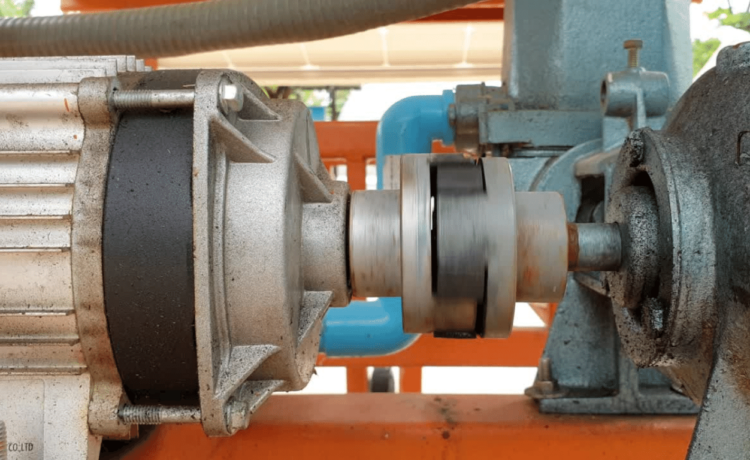
High pressure gear pumps play a crucial role in modern industrial operations where precise fluid movement, strong pressure output, and reliable performance are required. These pumps are designed to handle demanding tasks that involve transferring oils, chemicals, and other fluids under intense working conditions. Their compact design, durability, and efficient output make them indispensable across sectors that depend on consistent hydraulic power.
Although many industries rely heavily on advanced control systems and automation, the fundamentals of fluid movement remain unchanged. High pressure gear pumps have become a preferred choice for engineers because they offer steady flow, high efficiency, and excellent performance even in environments where pressure fluctuations are common. These pumps also work effectively alongside other hydraulic components such as flow dividers, allowing businesses to build smooth, synchronized, and energy efficient systems.
This article explores the most common applications of high pressure gear pumps in modern industries, explains why they are so essential, and highlights the factors that make them an ideal choice for tough operational conditions.
Understanding the Role of High Pressure Gear Pumps
High pressure gear pumps are positive displacement pumps that use rotating gears to move fluid. Their operating principle involves trapping fluid between the gear teeth and the pump housing, then forcing it into a pressurized outlet. This consistent and controlled movement makes these pumps extremely reliable, especially where precision is necessary.
Because they can maintain high pressure without major fluctuations, these pumps are commonly used in hydraulic systems that require stable output. They are capable of handling a wide range of viscosities, making them useful in applications involving lubricants, oils, and specialized industrial fluids. When paired with flow dividers, they provide even greater control and help ensure balanced distribution of fluid across multiple circuits or cylinders.
Why High Pressure Gear Pumps Matter in Modern Industries
The demand for efficient and high performance hydraulic equipment has increased rapidly as businesses continue to automate production, improve energy efficiency, and reduce downtime. High pressure gear pumps are essential in this transformation for several reasons.
Reliable Operation Under Heavy Loads
Many industrial processes involve machinery that operates under intense pressure or variable load conditions. These pumps maintain consistent output even when the workload changes, ensuring that equipment functions smoothly.
Minimal Maintenance Requirements
These pumps are known for their simple design and robust construction. With fewer moving parts compared to more complex pump types, they require less maintenance and experience less wear. This reduces downtime and long term operational costs.
Energy Efficient Fluid Movement
Energy efficiency is a top priority in modern industries. High pressure gear pumps provide strong performance while consuming less power compared to alternative pumping technologies.
Compatibility With Hydraulic Systems
Because these pumps deliver high pressure and precise flow control, they integrate well with components such as flow dividers to create synchronized hydraulic circuits.
Major Industrial Applications of High Pressure Gear Pumps
High pressure gear pumps can be found in a wide variety of industries because of their versatility, durability, and ability to handle challenging conditions. Below are some of the most common applications.
- Manufacturing and Production Lines
Manufacturing industries rely heavily on hydraulic systems to power machinery, presses, and automated equipment. High pressure gear pumps are used in:
Hydraulic Presses and Molding Machines
Hydraulic presses require strong and consistent pressure to shape metal, plastic, or composite materials. These pumps provide the force needed for molding, stamping, and forming operations.
Conveyor and Handling Equipment
Automated material handling systems depend on smooth hydraulic flow for precise motion. Gear pumps ensure steady operation in conveyor lines, lifting devices, and robotic arms.
Machine Tools and Metal Processing
Milling machines, grinders, and cutting equipment rely on hydraulic pressure for tool movement. High pressure gear pumps help maintain accuracy and stability during machining processes.
- Construction and Heavy Equipment
Construction and mining machinery operate in harsh environments where durability and continuous performance are essential. These pumps are used extensively in:
Excavators and Loaders
Hydraulic systems power the arms, booms, and buckets of heavy machinery. Gear pumps help maintain strong lifting force and stable motion.
Road Maintenance Equipment
Asphalt pavers, rollers, and compactors rely on hydraulic systems driven by high pressure gear pumps for consistent functionality.
Drilling and Foundation Machinery
Equipment used for drilling relies on strong hydraulic flow to power drilling heads and stabilize drilling pressure.
- Agricultural Machinery
Agriculture has evolved into a highly mechanized industry that depends on reliable hydraulic systems. Gear pumps support many agricultural machines such as:
Tractors and Harvesters
These machines use hydraulic systems for steering, lifting, and operating attachments. High pressure gear pumps ensure smooth operation across different tasks.
Sprayers and Fertilizer Systems
Hydraulic driven sprayers require stable pressure for accurate distribution of pesticides, fertilizers, and water.
Bale Handling Equipment
Machinery used for lifting, moving, and compressing hay relies on hydraulic pressure generated by gear pumps.
- Oil and Gas Operations
Oil and gas facilities involve fluid handling under extreme conditions. High pressure gear pumps are crucial for:
Lubricating Systems
Heavy machinery in drilling rigs and refineries uses lubricating systems powered by gear pumps to ensure smooth operation and prevent wear.
Fuel Transfer and Injection
These pumps support fuel injection processes where precise flow and pressure control are critical.
Chemical Dosing and Injection
Gear pumps deliver accurate and consistent amounts of chemicals during refining and treatment processes.
- Chemical and Petrochemical Industries
Chemical plants handle a variety of fluids with different viscosities and chemical compositions. High pressure gear pumps are used in:
Fluid Transfer Systems
They help move chemical solutions, oils, and additives through production lines safely and efficiently.
Metering and Dosing Applications
In processes requiring precise amounts of material, gear pumps provide consistent output that supports accurate dosing.
Heating and Cooling Systems
These pumps circulate fluids used for temperature control in reactors and industrial vessels.
- Food and Beverage Processing
Although not all food grade applications use gear pumps, they are important for tasks involving oils, syrups, and other high viscosity materials. Their ability to handle thick fluids with minimal pulsation makes them valuable in:
Edible Oil Processing
High pressure gear pumps support refining, filtering, and packaging operations.
Syrup and Flavor Movement
Their steady flow helps maintain consistent texture and flavor distribution.
These applications illustrate how gear pumps contribute to efficiency, quality, and safety across the food processing sector.
- Hydraulic Power Units
Hydraulic power units provide controlled power to various machines and require pumps capable of producing high pressure. Gear pumps are widely used in:
Industrial Lift Systems
Lifts used in warehouses and maintenance operations rely on stable hydraulic pressure.
Testing Equipment
Devices that measure force, load, or pressure use gear pumps for controlled hydraulic output.
Flow Control Systems
Gear pumps work with components such as flow dividers to regulate and balance hydraulic circuits.
Key Advantages That Drive Widespread Use
High pressure gear pumps remain popular across industries because they offer several advantages:
Strong Pressure Output
Their ability to generate high pressure makes them suitable for demanding operations.
Versatility With Fluids
They can pump oils, lubricants, and other industrial fluids of varying viscosities.
Long Lifespan
Their durable construction ensures long operational life even in intense working environments.
Compact Design
Despite their power, these pumps are compact and can be easily integrated into many system configurations.
Factors to Consider When Selecting High Pressure Gear Pumps
Choosing the right pump requires evaluating several important factors:
Operating Pressure
Ensure the pump can handle the maximum pressure required by your application.
Fluid Viscosity
The fluid type influences efficiency and performance. Choose a pump suited to the viscosity range needed.
Temperature Range
Industrial environments may involve extreme heat or cold, so select pumps that tolerate temperature variations.
Flow Requirements
Understanding the required flow rate ensures proper system design and prevents inefficiencies.
High pressure gear pumps are essential components that support the operation of countless modern industries. Their reliability, pressure handling capability, and adaptability make them ideal for applications ranging from manufacturing and chemical processing to construction and agriculture. When combined with flow dividers and other hydraulic components, they help create efficient, synchronized, and high performance systems.
By understanding where and how these pumps are used, businesses can make informed decisions about selecting the right equipment, improving system performance, and achieving long term operational success.