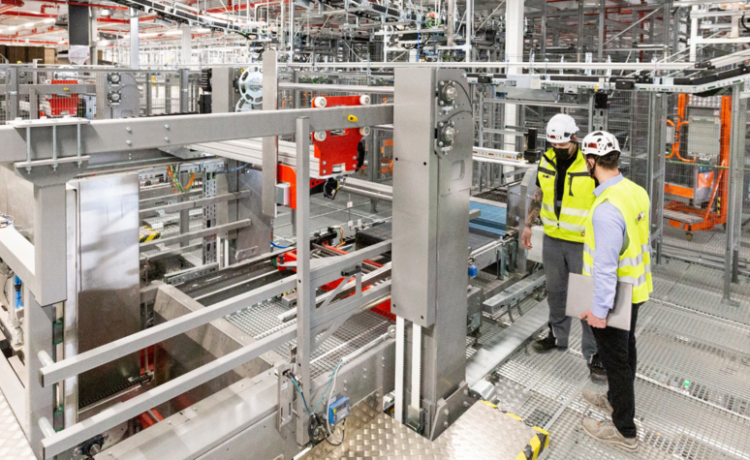
In today’s fast-paced business world, efficiency and reliability are the backbones of successful operations. For companies that rely heavily on storage and logistics, maintaining smooth operations inside a warehouse is crucial. One of the biggest challenges for any warehouse is equipment failure, which can cause costly downtime and disrupt workflow. This is where predictive maintenance comes in — a game-changing approach that is transforming how modern warehouses operate. By using technology to anticipate maintenance needs, predictive maintenance ensures that warehouse operations remain smooth, efficient, and interruption-free.
The Rise of Smart Warehousing
The shift toward smarter and more automated warehouses has created a strong demand for technology-driven maintenance solutions. Predictive maintenance is an advanced strategy that uses data analytics, sensors, and machine learning to predict when equipment might fail or need servicing. Instead of waiting for a breakdown to occur, predictive maintenance allows businesses to fix problems before they cause disruptions.
This proactive approach has proven to be a valuable asset, especially for businesses searching for a warehouse for rent that offers advanced features and reliable infrastructure. Many companies today prefer renting warehouses equipped with predictive maintenance systems because they provide better uptime, lower repair costs, and improved operational performance.
How Predictive Maintenance Works
Predictive maintenance relies on real-time data collected from various sensors and devices installed on warehouse equipment such as conveyors, forklifts, cranes, and HVAC systems. These sensors monitor temperature, vibration, power consumption, and other performance indicators. Artificial intelligence then analyzes this data to identify patterns that indicate potential faults or wear and tear.
For example, if a conveyor belt motor starts drawing more power than usual, the system will flag it for inspection before it fails completely. This early warning helps maintenance teams schedule repairs at convenient times, preventing sudden breakdowns and minimizing disruption to warehouse operations.
Key Benefits of Predictive Maintenance
- Reduced Downtime
Predictive maintenance significantly reduces unplanned downtime. By identifying issues early, warehouse managers can plan maintenance during off-peak hours or slow business periods. This keeps operations running smoothly and ensures maximum productivity. - Cost Efficiency
Unplanned repairs can be expensive, especially when they involve emergency parts replacement or equipment rentals. Predictive maintenance helps avoid these unexpected costs by enabling timely repairs and extending the lifespan of machinery. - Improved Safety
Equipment failures not only disrupt operations but also pose safety risks. Predictive maintenance minimizes these risks by ensuring all machinery functions within safe operating conditions. - Energy Savings
Well-maintained equipment consumes less energy. By keeping machines in top condition, predictive maintenance helps businesses reduce their overall energy consumption — an important step toward sustainability. - Enhanced Equipment Lifespan
Regular and timely maintenance prevents equipment from wearing out prematurely, which means businesses can enjoy a better return on investment.
Predictive Maintenance in Modern Warehouse Operations
Today’s logistics industry is all about speed, precision, and reliability. Predictive maintenance aligns perfectly with these priorities. Warehouses that integrate predictive technologies experience smoother workflows and better coordination across departments.
For businesses seeking a warehouse for rent, choosing a facility that supports predictive maintenance can be a smart decision. Such warehouses often come equipped with modern monitoring systems that help businesses manage inventory more efficiently, reduce equipment failures, and maintain consistent productivity. The combination of advanced technology and efficient maintenance creates an environment that supports long-term operational success.
The Role of Data and IoT
The Internet of Things (IoT) plays a key role in making predictive maintenance possible. With IoT devices constantly collecting and transmitting data, warehouse managers can track performance in real time. Machine learning algorithms then process this data to predict potential failures. Over time, the system becomes even more accurate as it learns from patterns and operational trends.
This integration of IoT and AI is paving the way for a new generation of smart warehouses — facilities that not only store goods but also optimize operations autonomously. Businesses that adapt to this trend will find themselves ahead of the competition, benefiting from greater uptime and efficiency.
The Future of Predictive Maintenance
As technology continues to advance, predictive maintenance will only become more accessible and precise. Future warehouses may include automated maintenance systems capable of self-diagnosing and scheduling their own repairs. For companies that depend on consistent storage and logistics performance, investing in or renting a warehouse with such smart systems can provide a significant competitive advantage.
Conclusion
Predictive maintenance is revolutionizing the way warehouses operate, turning reactive maintenance into a proactive strategy. By using data-driven insights, businesses can prevent breakdowns, reduce costs, and maintain a safe and efficient working environment. For companies looking for a warehouse for rent, selecting a facility equipped with predictive maintenance capabilities ensures smoother operations, reduced downtime, and improved productivity. In an era where every minute counts, predictive maintenance is helping warehouses stay one step ahead — ensuring that efficiency and reliability remain at the heart of every successful business.